
Strategy vs Tactic: 4 Sentence Choices Explained
Strategy vs tactic usually contrasts an overall approach with a specific action. Use strategy for the approach guiding your choices and tactic for a deliberate move. Everyday meanings overlap, so context matters more than a fixed timeline.
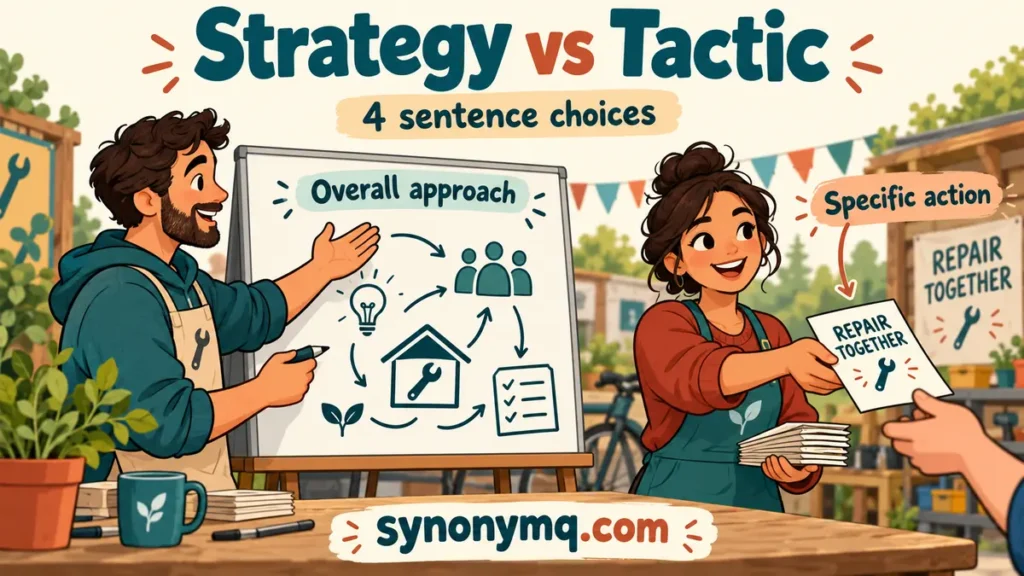
A goal, an approach and an action at one repair event
A neighbourhood group wants more residents to repair household objects instead of throwing them away. That is its goal: the outcome it wants. The statement does not yet explain how the group will achieve it.
The organisers choose to make repairs welcoming for beginners, with simple demonstrations and patient volunteers. That is their strategy. It gives them a basis for choosing the venue, activities and publicity.
One volunteer invites visitors at the local library. That is a tactic within this approach: a particular action intended to bring people to the event.

This is a useful planning distinction, not a rule that every organisation uses identically. New Tactics, for example, describes strategy as an overall approach and tactics as actions used to carry it out.
If a report says, “Our strategy is to repair more objects,” the reader still needs the approach. A clearer version is, “We aim to increase repairs by making beginner-friendly events available locally.”
Neither label tells you whether the plan worked. For that separate judgement, distinguish effective results from efficient use of resources.
Strategy vs Tactic: 4 Sentence Choices
1. Describe the approach that connects several actions
“Our strategy is to make repair skills accessible to beginners.” Here, strategy connects several choices. Replacing it with tactic would make the approach sound like one move within a broader plan.
Use strategy when that wider connection matters. If your sentence names only an ambition, add the approach: “Our strategy is to attract first-time visitors through familiar local venues and beginner-friendly sessions.”
Cambridge’s strategy entry covers planning for success as well as an ordinary way of dealing with something. It does not limit the word to boardrooms or large budgets.
2. Name one deliberate move
“Inviting library visitors is one tactic for attracting beginners.” Tactic identifies a particular method. You could change that invitation method while keeping the wider approach.
Cambridge describes a tactic as a planned method or specific action aimed at a result. A tactic need not be dishonest, hostile or unsuccessful.
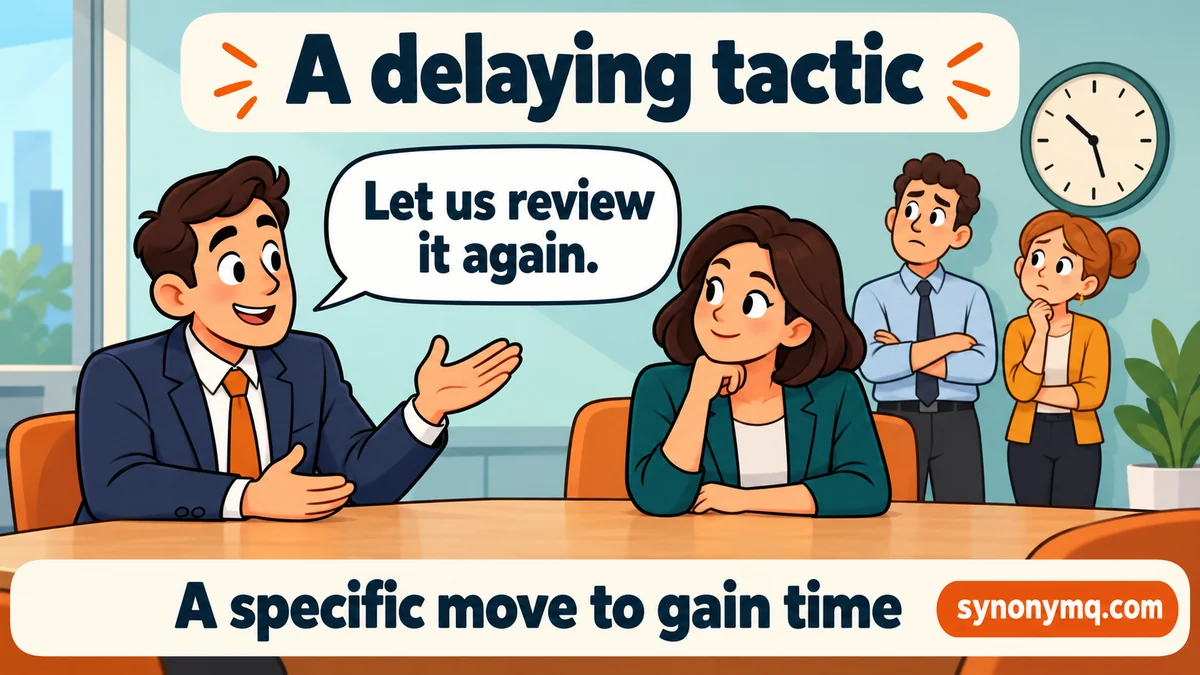
The surrounding words can supply that tone. “A helpful tactic” is favourable; “a delaying tactic” suggests that gaining time is the purpose. Do not read the negative implication of the second phrase into every use of tactic.
Tactic is countable: one tactic, another tactic, several tactics. “Strategy vs tactics” commonly compares the overall approach with its collection of methods; the singular “strategy vs tactic” compares the two concepts.
3. Keep the wider everyday meaning of strategy
“Rehearsing the opening is her strategy for handling presentation nerves.” This is an ordinary way of dealing with a challenge. It does not need to last months or involve a team.
Calling it a tactic could emphasise one deliberate step in her preparation. Calling it a strategy presents it as her chosen approach to the problem. Neither sentence is automatically wrong; the emphasis changes.
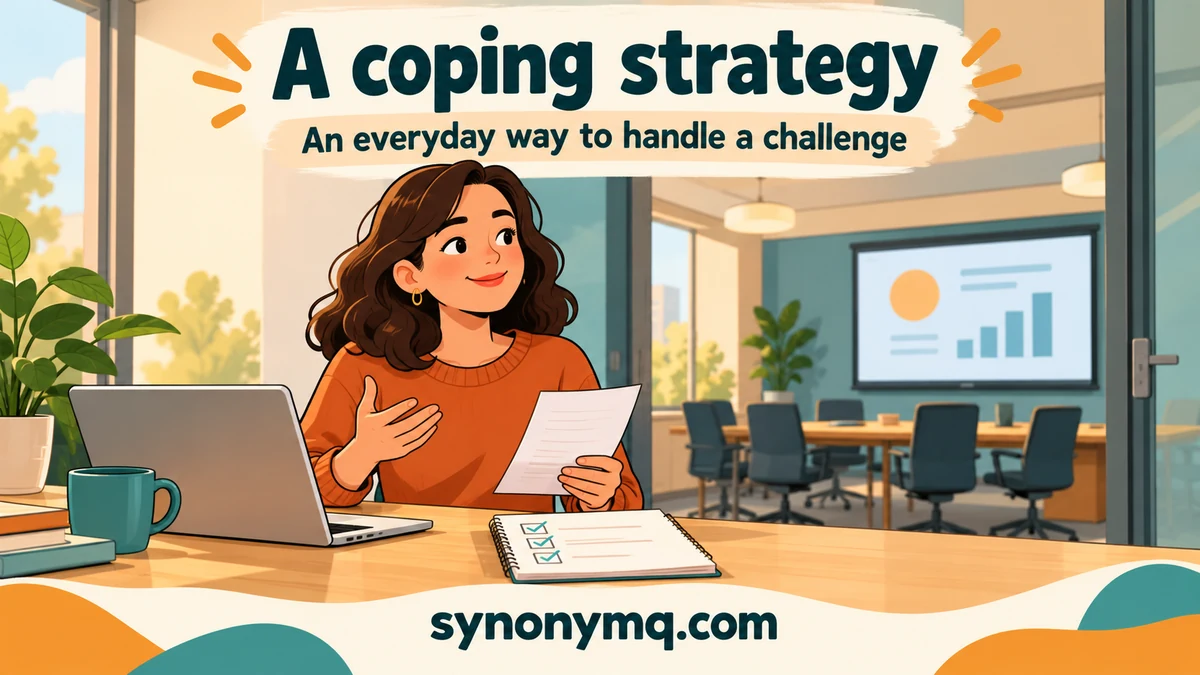
Keep “coping strategy” when describing that broader method. There is no need to replace familiar wording just because tactic looks like a shorter synonym. This is a vocabulary example, not a claim about treatment.
4. Match strategic or tactical to the intended scope
“Changing whom we serve is a strategic decision.” In the repair-event example, that choice changes the approach. “Moving the invitation stand nearer the entrance is a tactical decision” describes a move within it.
Both adjectives fit before decision, but they make different claims. Strategic does not simply mean intelligent, and tactical does not mean unimportant. A small action can matter greatly without becoming the overall approach.
Use the noun when naming the plan or move: “We changed our strategy” and “We tried a new tactic.” Use the adjective when describing its role: “a strategic change” or “a tactical adjustment.”
Why “long-term versus short-term” is only a shortcut
Business guides often contrast a longer-term strategy with shorter-term tactics. That can help explain a particular planning system. It is less reliable as a test for every English sentence.
A strategy for getting through one difficult conversation can be brief. A tactic can be repeated for years. Duration may support your interpretation, but it does not settle the meaning by itself.
Ask what the sentence presents: an approach to a problem, or a particular move serving an approach? Then identify the scope. An organisation and a small team may describe different levels of the same work.
When the surrounding text provides no wider plan, “a useful method” may be clearer than either label. Do not invent a strategic hierarchy merely to make an ordinary sentence sound impressive.
How This Page Was Checked
Cambridge and Oxford entries support the definitions and word forms. The repair-event scenarios are original teaching examples. The Sun Tzu answer follows Lionel Giles’s translation, with the source linked below.
Recommendations describe the meaning a sentence communicates. They do not impose one organisation’s planning terminology on every business, sport or everyday conversation.
Frequently Asked Questions
What did Sun Tzu say about strategy and tactics?
In Giles’s translation, chapter VI, section 27, Sun Tzu contrasts visible tactics with the less visible strategy producing victory. This is a paraphrase.
What comes first, strategy or tactics?
In deliberate planning, strategy usually guides the choice of tactics. Results from those tactics can then lead you to revise the approach.
What is the difference between a tactician and a strategist?
A tactician is skilled at using tactics; a strategist is skilled at planning. The same person can do both.
What is the difference between strategy, tactics, and operations?
In business, strategy guides the approach, tactics are chosen actions, and operations are the activities running the business. Specialist frameworks may organise these terms differently.

Naveed Akhtar writes every guide on SynonymQ. He is an SEO content writer with ten years of article-writing experience, working on the question a thesaurus never answers: which of these words belongs in this sentence, for this reader. Every page cites the dictionary entries it draws on and the date they were read.